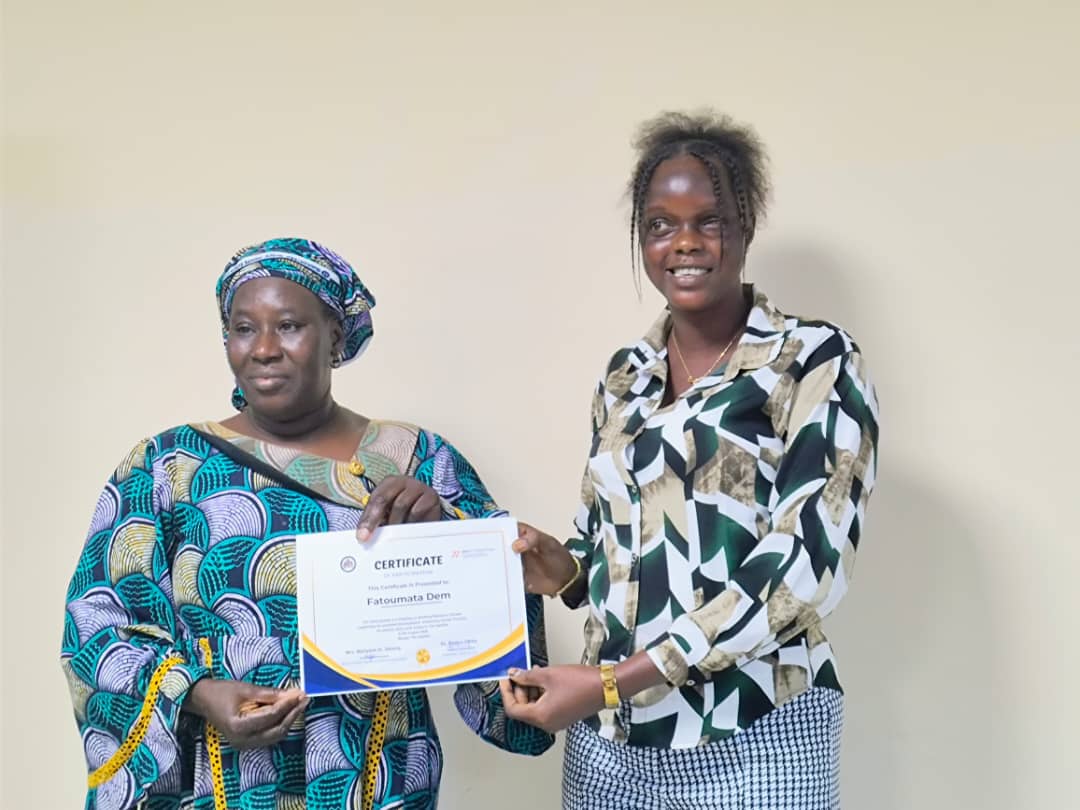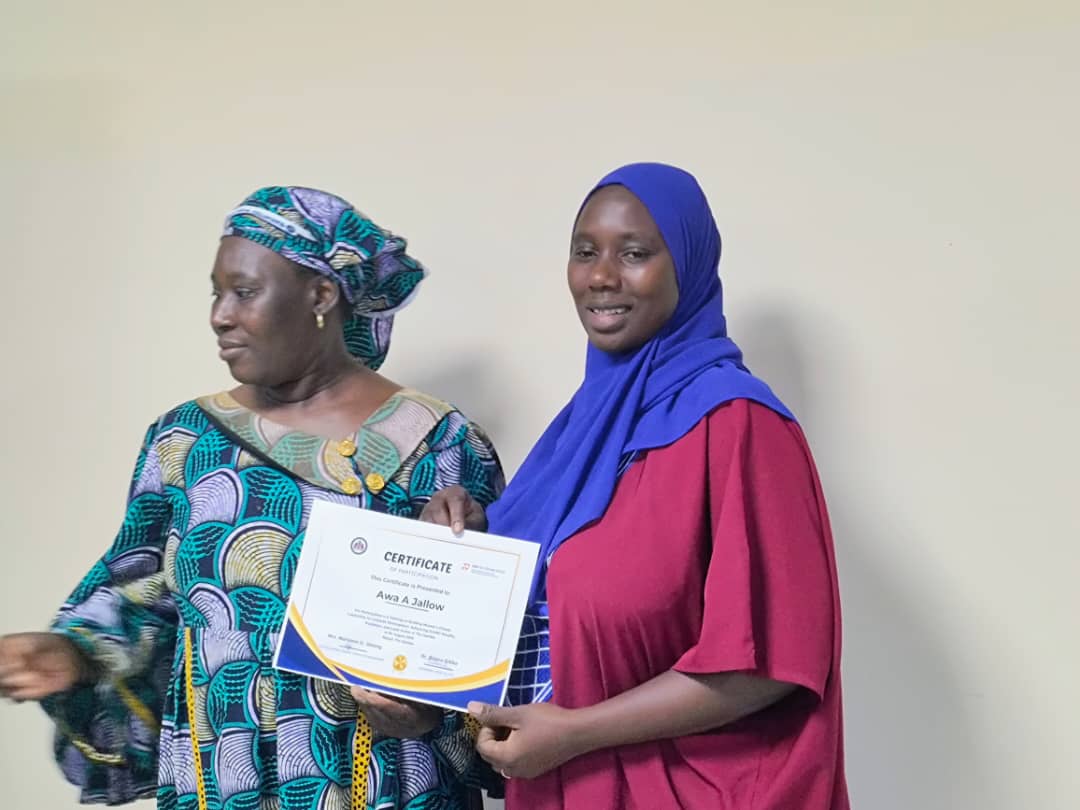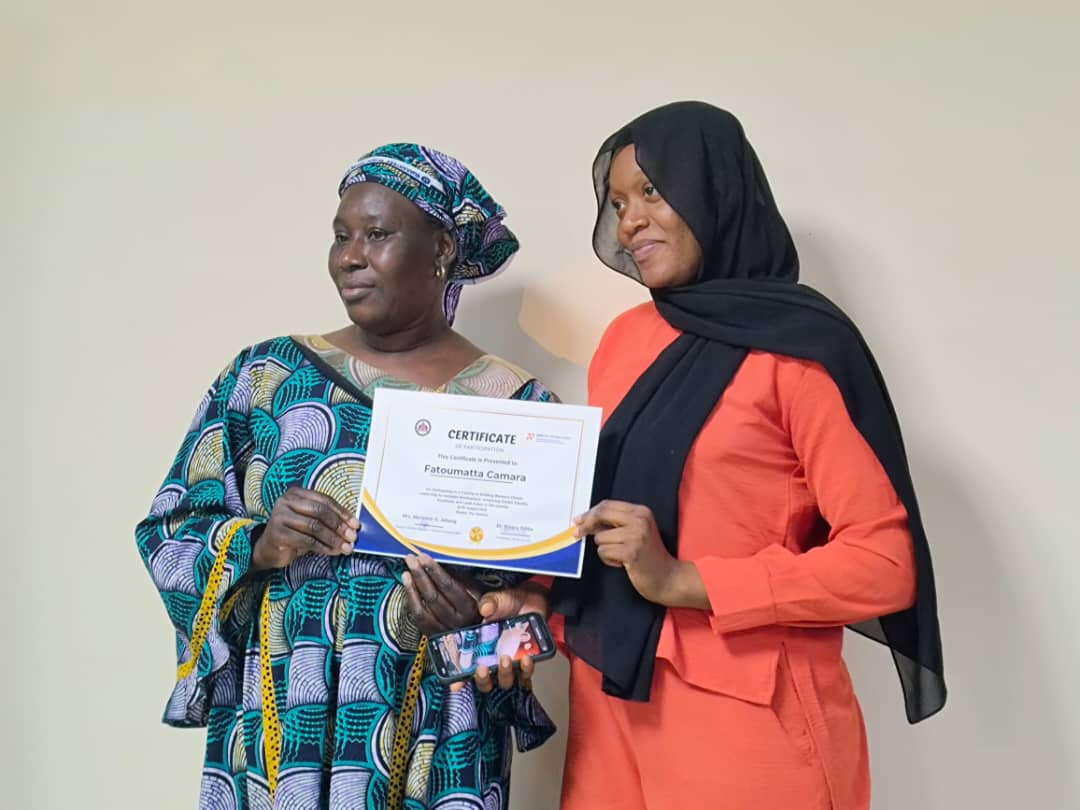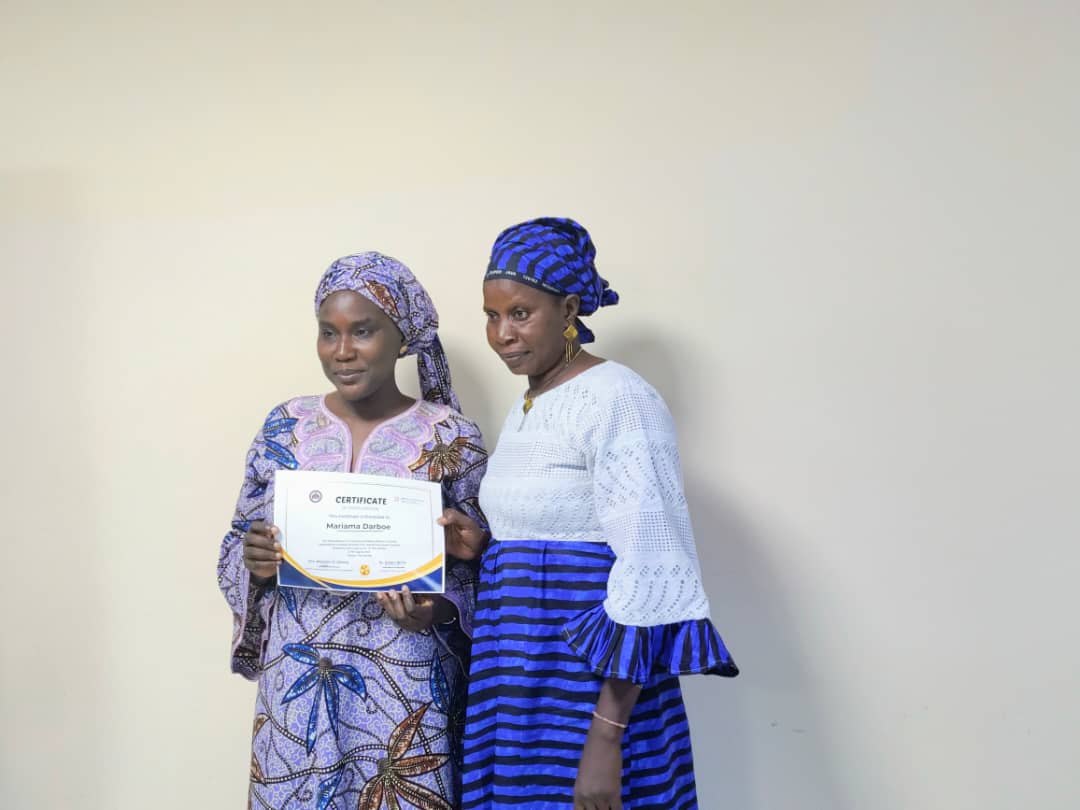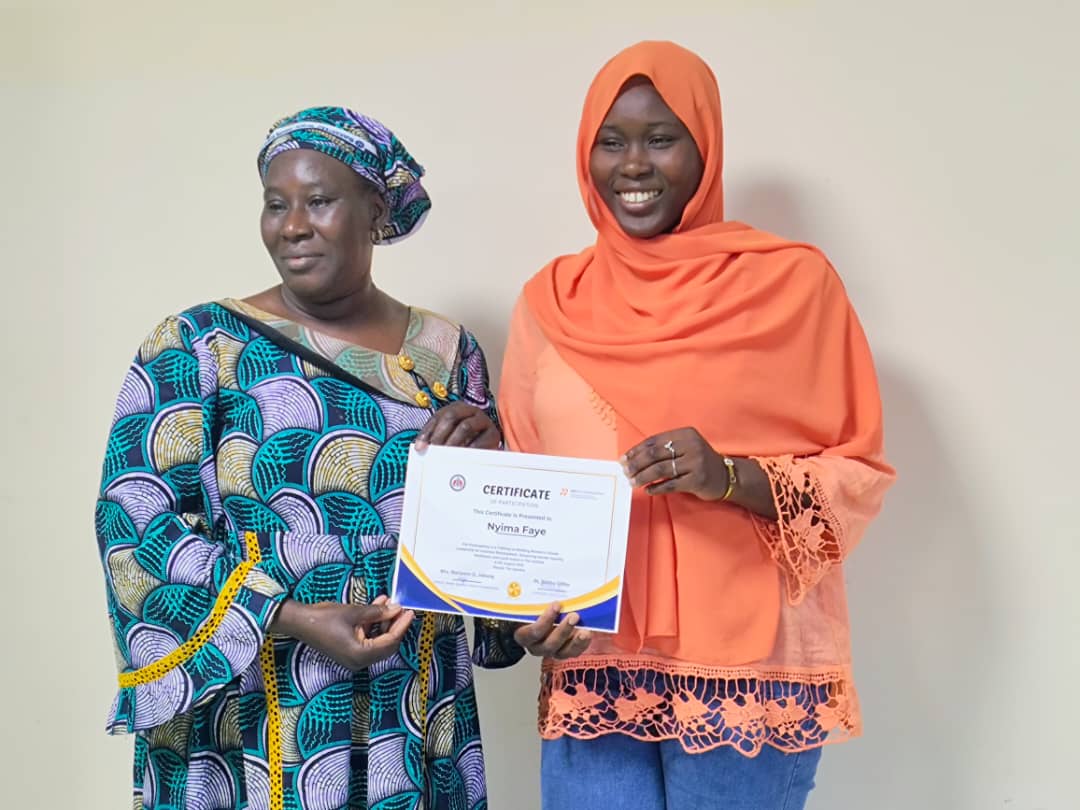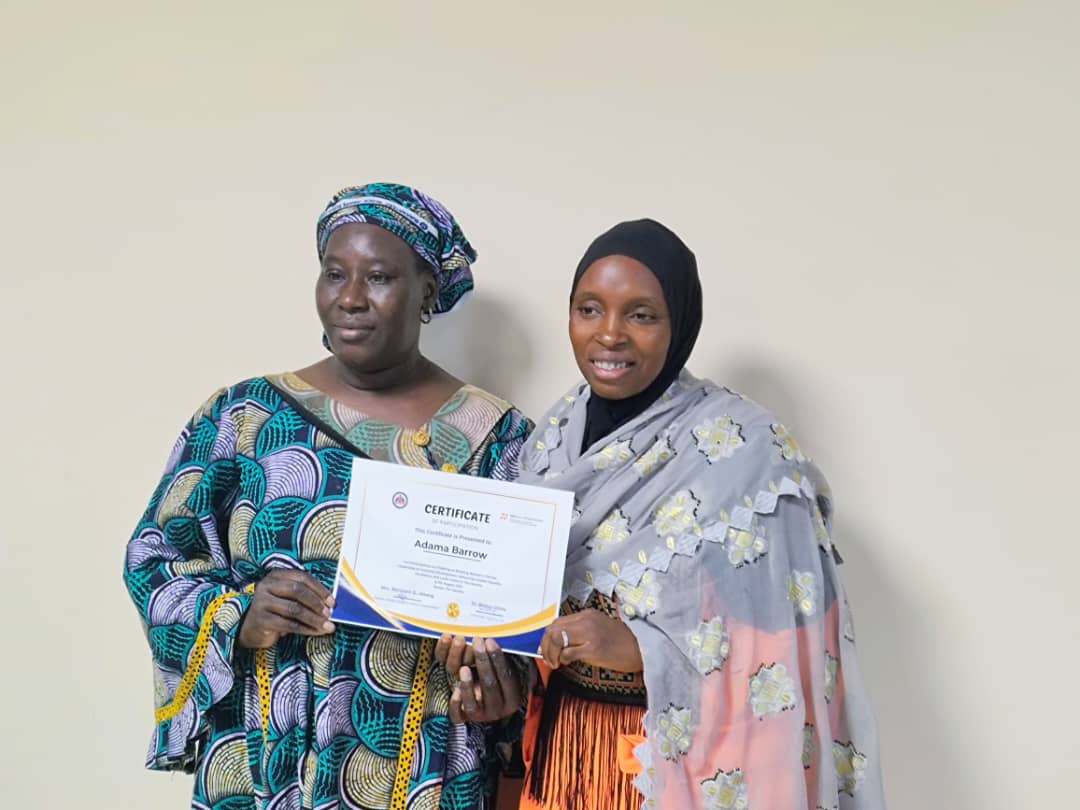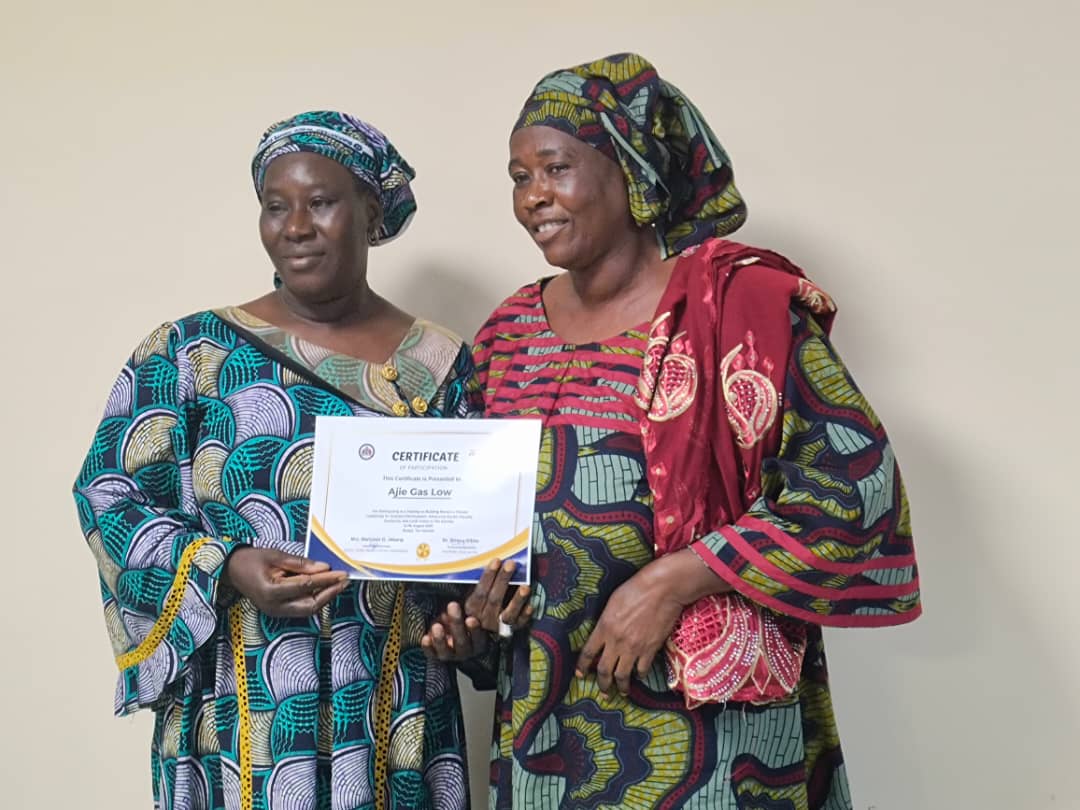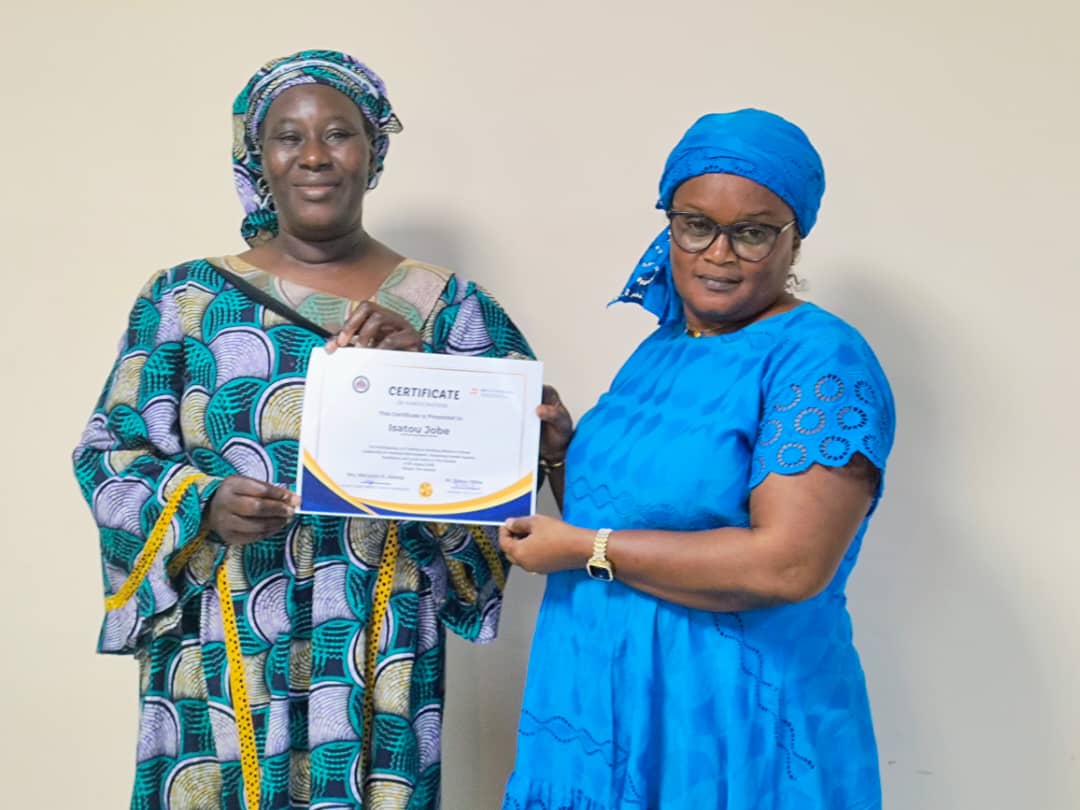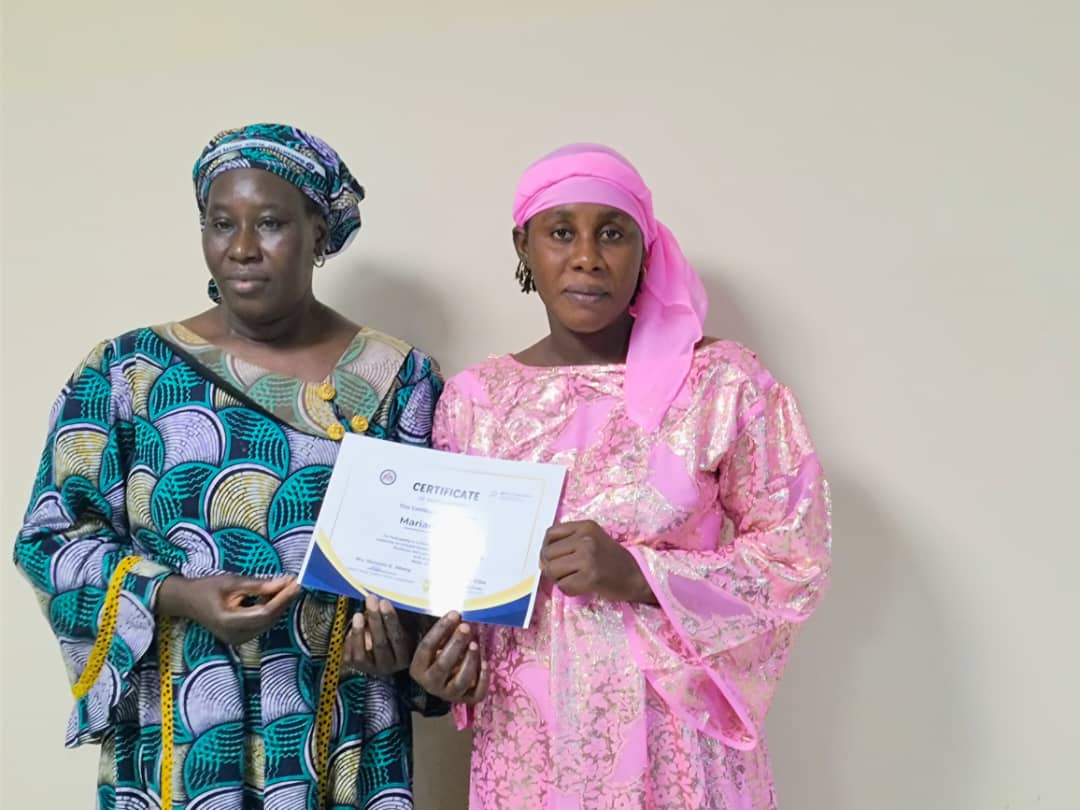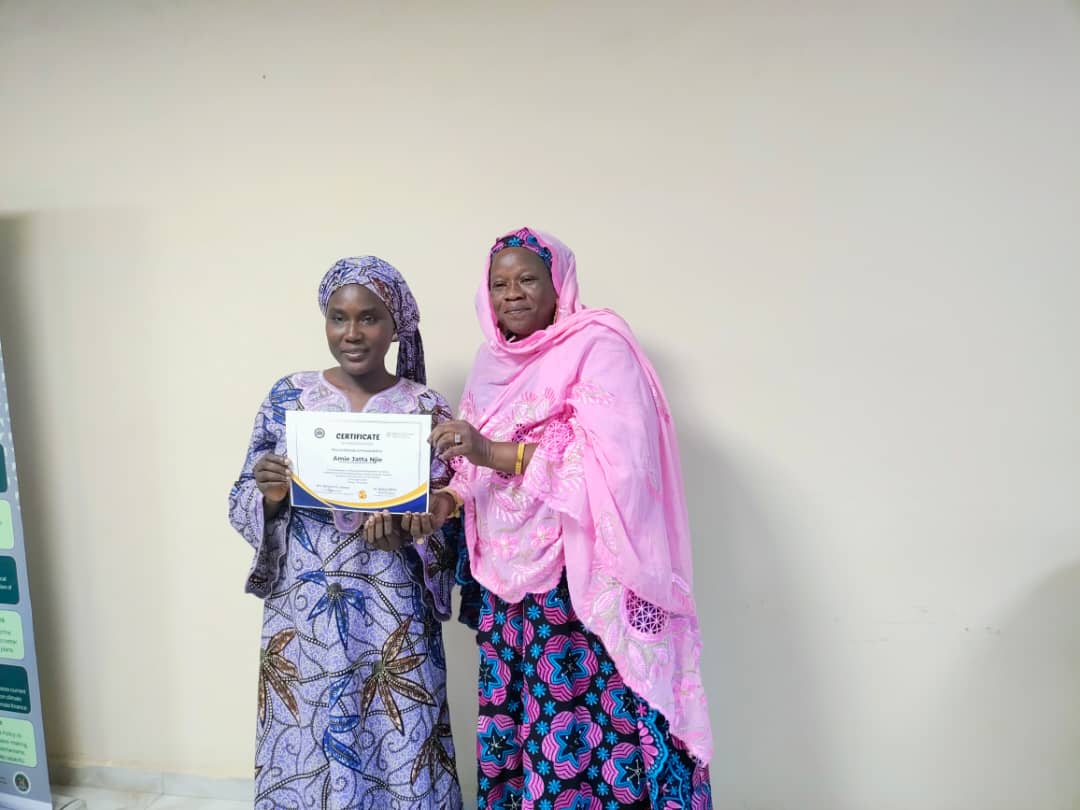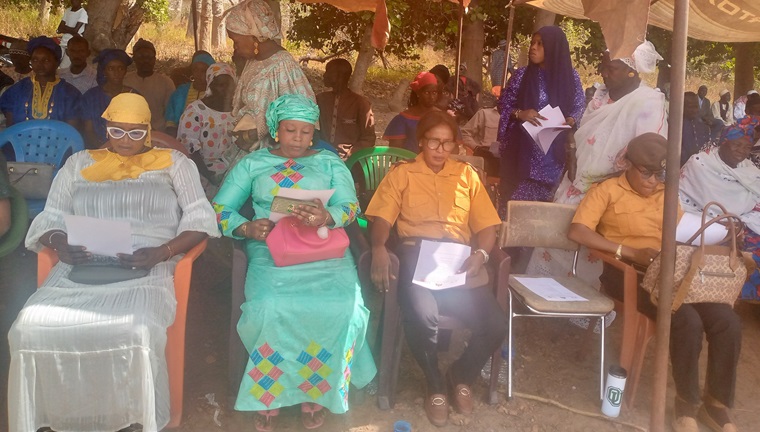

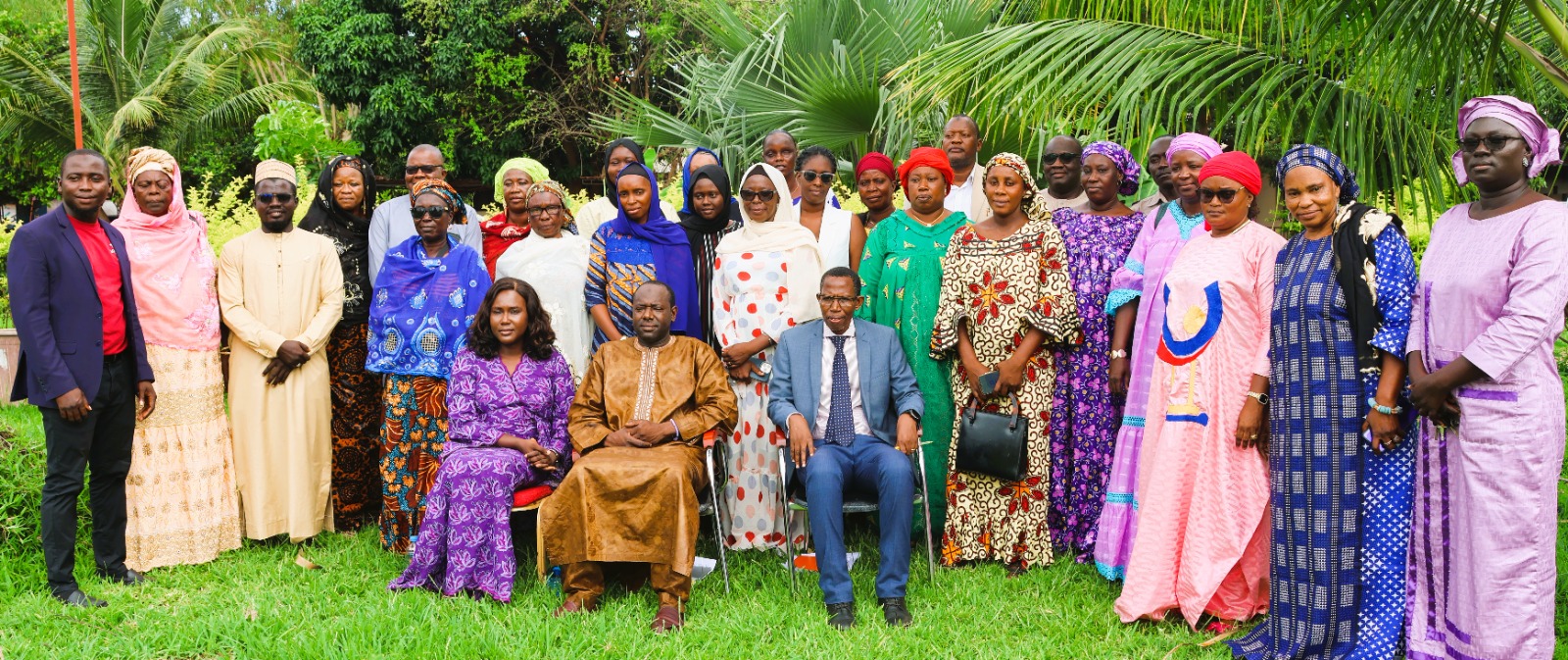
The Ministry of Gender, Children and Social Welfare, in collaboration with the National Climate Action Centre (NCAC) with support from NovaSphere and Environment and Climate Change Canada, organised a two-day capacity-building for stakeholders from 6-7 August 2025 under the theme:
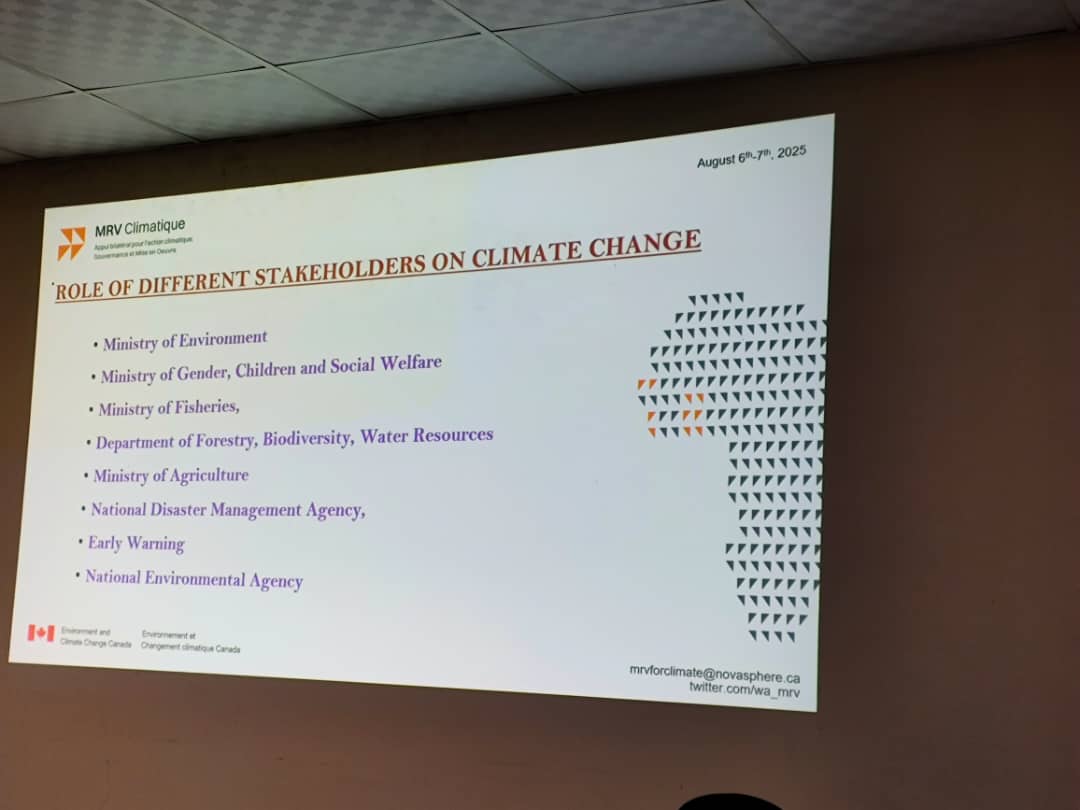
“Building Women’s Climate Leadership for Inclusive Development: Advancing Gender Equality, Resilience, and Local Action in The Gambia.”
The training aimed to enhance women’s capacity on climate justice and to equip them with the knowledge and skills needed to combat climate change. It focused on fostering leadership and resilience within communities by empowering women to understand the impacts of climate change and to develop effective, locally driven solutions.
Speaking at the opening session, Professor Sidat Yaffa, Director of WASCAL, emphasized the central role women play in The Gambia’s agricultural sector.
“In The Gambia, women form the backbone 70% of our agricultural sector. They are farmers, market vendors, water collectors, and caretakers of the environment,” he stated.
“Yet despite their crucial roles, women especially in rural areas often lack access to land, credit, education, and decision-making platforms. This limits their ability to respond to the impacts of climate change.”
Professor Yaffa further noted that women disproportionately bear the brunt of climate change. When the rainy season shortens or floods destroy crops, it is often women who must find alternative means to feed their families. Similarly, when water sources dry up due to drought, it is girls who walk longer distances to fetch water, often at the expense of their education.
“The climate crisis cannot be solved without including the voices, knowledge, and leadership of women and girls,” he concluded.
Despite these challenges, women across The Gambia are already leading change growing climate-resilient crops and organizing local adaptation strategies. Their actions demonstrate that inclusive climate action is smart climate action.
Mr. Illo Jallow, Permanent Secretary at the Ministry of Gender, Children and Social Welfare, highlighted that the National Gender Policy 2025–2034 recognises that sustainable development and climate resilience cannot be achieved without the full participation and leadership of women.
This policy reflects the government’s strong commitment to mainstreaming gender into all climate change programmes and interventions, acknowledging the particular vulnerability of women and children to climate change impacts.
Mr. Jallow noted that one of the key objectives of the policy is to build resilience within vulnerable communities—particularly women and children—by promoting gender-responsive and inclusive climate policies.
Dr. Bintou Dibba, Coordinator of the National Climate Action Centre (NCAC) and Co-MRV Coordinator, addressed the need for more meaningful participation of women in climate discussions.
“Too often, even when women are invited into climate discussions, they are treated as add-ons included in numbers but not in influence. Their voices are welcomed but not always heard. Their roles are acknowledged but not adequately supported,” she explained.
She added that the idea for this initiative was conceptualized following the Regional Climate Dialogue Forum in Togo, which brought together participants from four countries, including The Gambia. The forum concluded with a powerful consensus:
“To build true women’s agency in climate action, we must first invest in their capacity.”
“We must equip women with the tools, knowledge, and confidence to actively engage in technical conversations, to shape solutions grounded in their lived realities, and to advocate for policies that protect their lives and livelihoods,” Dr. Dibba emphasized.
She explained that this training seeks to create a platform where women can deepen their understanding of climate science and strengthen their voices in both national and regional climate policy spaces.
“This is why today’s participants include a powerful and diverse group whose leadership will shape the future of climate resilience in The Gambia,” she added.
Dr. Dibba expressed her gratitude to the partners—the Ministry of Gender, Children and Social Welfare, NovaSphere, and Environment and Climate Change Canada—for believing in the vision and co-creating this important opportunity for empowerment and dialogue.
She concluded by reaffirming the NCAC’s commitment: “Here at the National Climate Action Centre, housed within the University of The Gambia, we believe that the strength of our climate response lies in how inclusive, grounded, and gender-just it is. That is exactly what we aim to promote through this initiative and beyond.”
Dr William Jabang, Director operations of University of The Gambia, representing the Vice Chancellor, said is a great pride in hosting and supporting the NCAC, an institution that has become a beacon of knowledge, innovation, and collaboration in the national response to climate change. From its inception, the Centre has embodied our collective ambition to produce transformative research, build local capacity, and anchor climate action in the lived realities of our people.
“This training focused on building women’s climate leadership, is yet another testament to that mission. It reflects the Centre’s commitment to inclusivity, gender justice, and local empowerment in climate governance”
Dr Jabang affirmed that as a university, they stand firmly behind The UTG senior management has consistently provided institutional backing to the Centre and will continue to do so.
“Our commitment is not only financial or administrative, it is strategic. We understand the pivotal role NCAC plays in driving climate research. training a new generation of climate leaders, and shaping national policy”.
I am pleased to share that the University is also in the final stages of developing a Diploma in Climate Change Studies, a professional programme designed specifically for middle-level practitioners and aspiring climate professionals.